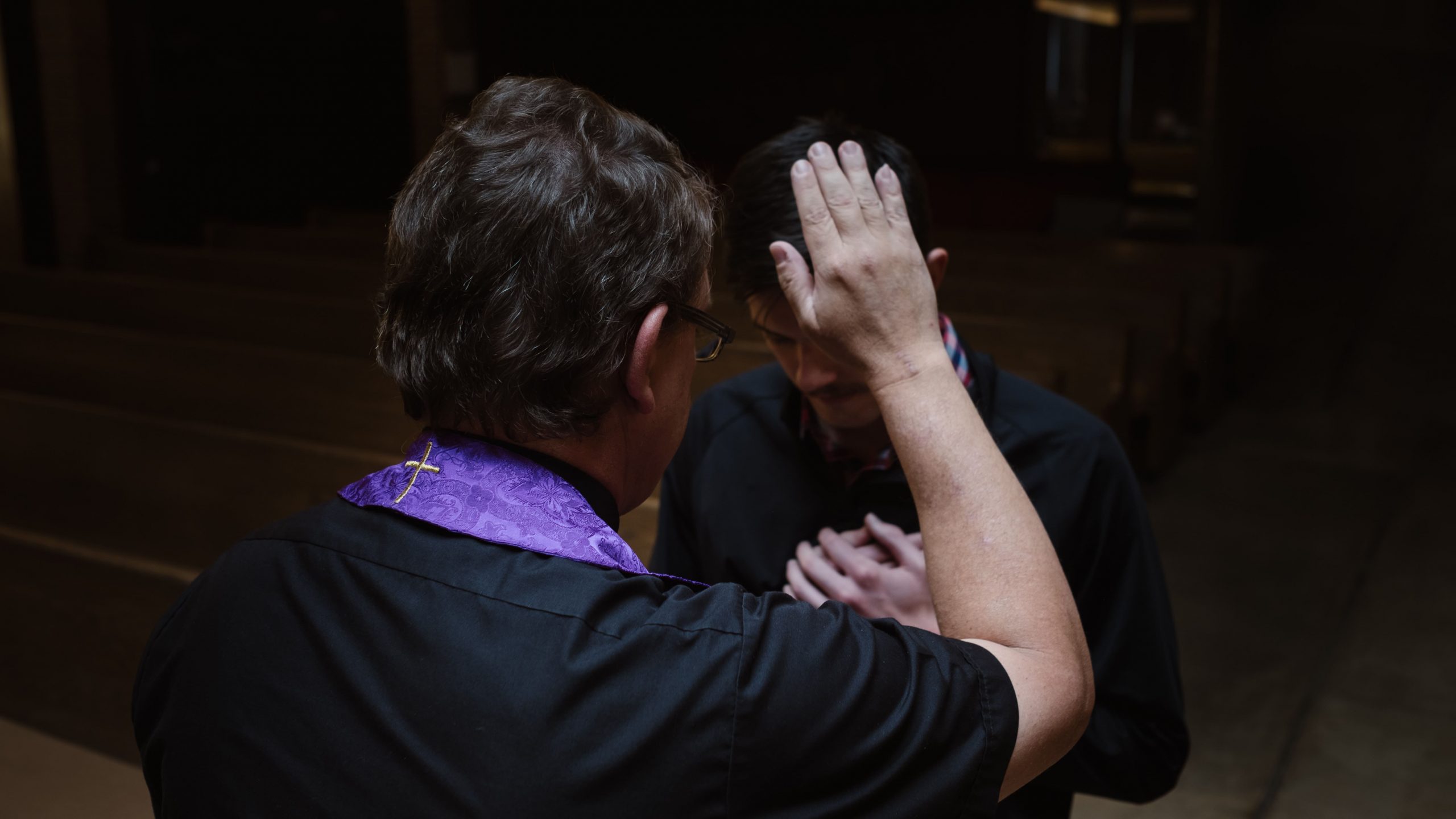
It is also called the sacrament of conversion, of penance and of reconciliation. The sacrament of conversion, because it makes present sacramentally Jesus’s call to conversion; the sacrament of penance, because it consecrates the Christian’s personal and shared path of conversion and repentance; the sacrament of reconciliation, because the acknowledgement or confession of sins before the priest is an essential element of this sacrament; the sacrament of forgiveness, because through the priest’s sacramental absolution God grants the penitent “pardon and peace”, and the love of the God who forgives.
It is made up of several parts:
The greeting and the priest’s blessing;
The confession, the acknowledgement and telling of sins before the priest;
The acceptance of the penance;
The priest’s absolution;
The expression of praise and thanksgiving to God;
The dismissal with the priest’s blessing.
The biblical foundation
The Catholic Church finds the biblical foundation of the sacrament of confession in Jesus’s power to forgive sins (e.g. the Gospel according to Mark 2,10; 2,5; the Gospel according to Luke 7, 48), and in the mission he handed on to his disciples when he said to them: “As the Father has sent me, so I send you — whose sins you forgive, they are forgiven them; and whose sins you retain, they are retained.” (John 20,21.23) The apostles’ share in Jesus’s power to forgive sins follows from Jesus’s words to Peter: “And I will give you the keys of the kingdom of heaven, and whatever you bind on earth shall be bound in heaven, and whatever you loose on earth shall be loosed in heaven.” (Matthew 16,19). The Catholic Church therefore holds that reconciliation with the Church cannot be separated from reconciliation with God.
The rite of reconciliation and the ministers of the sacrament
The Catholic and the Orthodox Church believe that this act of reconciliation comes about through faith, which is visibly signified by the sacraments of baptism and of reconciliation (confession), in which the priest has an important part as the representative of the Church. These two churches believe, that is, that in the sacrament of reconciliation or confession both reconciliation with God and reconciliation with the Church take place.
In Catholic teaching the sacrament of confession consists of two essential elements. One of them is the work of the person who is being converted through the action of the Holy Spirit. It comprises sorrow for sin, confession and penance. The other element is God’s own action through the ministry of the Church, which through the bishop and his presbyters grants the forgiveness of sins in the name of Jesus Christ and determines the manner of the penance. The sinner is thus healed and restored to the communion of the Church.
The obligation to keep the seal of confession
The Church declares that every priest who hears a confession is bound, under threat of the gravest penalties (excommunication), to keep secret the sins the penitent has confessed to him. Nor is he permitted to speak of anything he has learnt in confession about the penitent’s life. Any recording, or any other passing on of the content of a confession, is forbidden. The secret of confession, which admits of no exception, is called the “sacramental seal”, because what the penitent has told the priest remains “sealed” within the sacrament. The secret of confession binds all the faithful as well, should they find themselves in a position to overhear another’s confession.
The meaning and the effect of the sacrament
The meaning and the effect of this sacrament is reconciliation with God. Those who receive the sacrament of penance with a contrite heart and in a religious spirit obtain “peace and serenity of conscience together with strong spiritual consolation”. The sacrament of reconciliation with God brings a true “spiritual resurrection”; it restores the dignity and the good life of the children of God, the most precious part of which is God’s friendship. Those who come to the sacrament of penance receive from God’s mercy the forgiveness of the offences committed against him, and at the same time are reconciled with the Church. The penitent who has been forgiven is reconciled with himself in the innermost depths of his being, where he recovers his own inner truth; he is reconciled with the people he has in some way offended and wounded; he is reconciled with the Church; he is reconciled with the whole of creation. In this way confession does not heal the sinner alone: in healing him it heals the whole body of the Church.
What the faithful are to do in confession
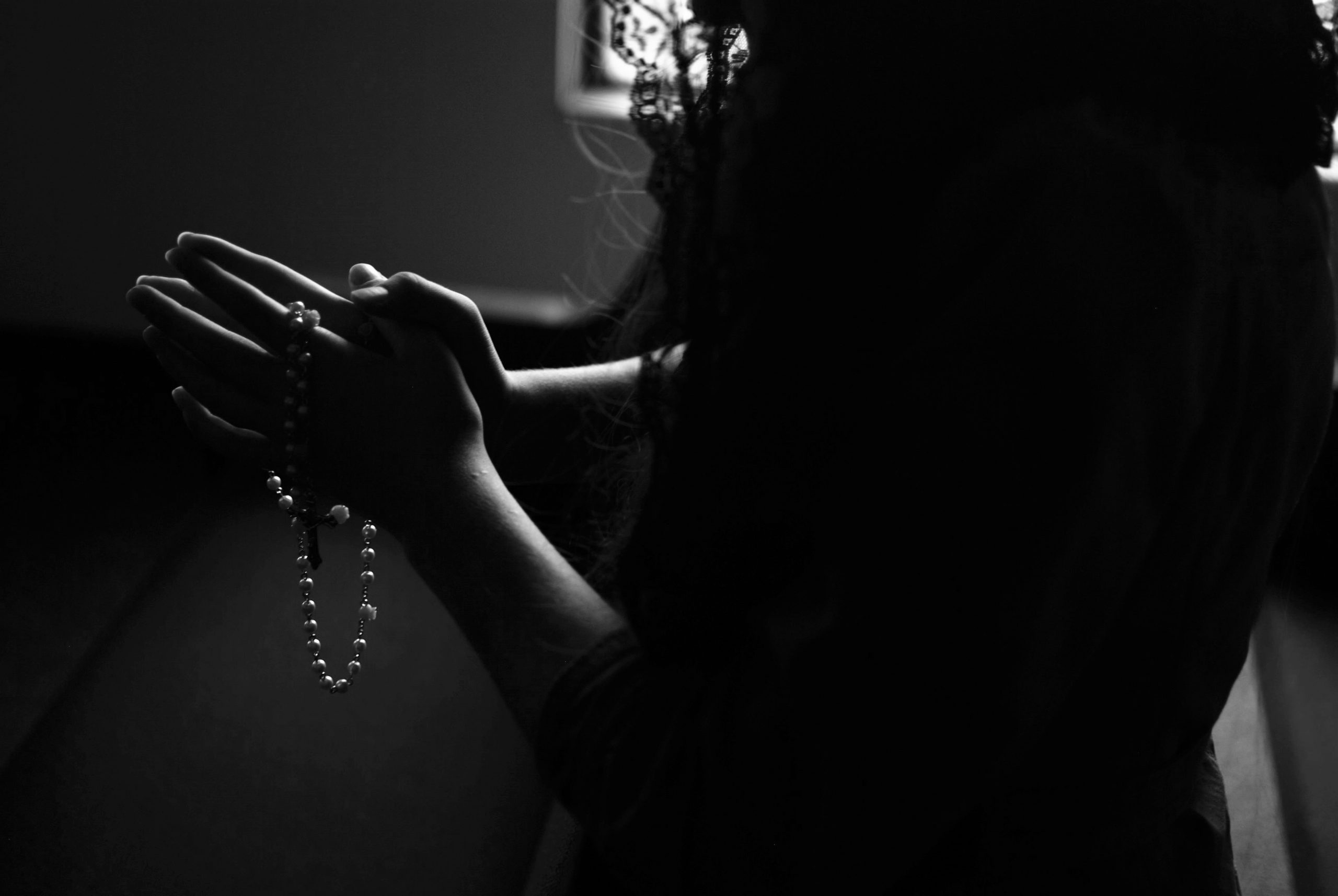
Contrition comes first. It is “sorrow of the soul and detestation for the sin committed, together with the resolution to sin no more.” The confession of sins to a priest is an essential part of the sacrament of penance: “Penitents must list in confession all the mortal sins of which they are aware after a careful examination of themselves, even if those sins are the most hidden and have been committed only against the last two of the Ten Commandments, for such sins sometimes wound the soul more grievously and are more dangerous than those committed openly”. When Christ’s faithful strive to confess all the sins they can remember, they place them all, without doubt, before the divine mercy for pardon. Those who do otherwise and knowingly conceal a sin place nothing before God’s goodness for the priest to forgive; for “if the sick man is ashamed to show his wound to the doctor, the doctor cannot heal what he does not know.” According to the precept of the Church, “every member of the faithful who has come to the age of discretion is bound to confess at least once a year the grave sins of which he is aware. “Anyone who is aware of having committed a mortal sin must not receive Holy Communion, even if he feels deep contrition, without having first received sacramental absolution.”
Many sins do harm to our neighbour. Everything possible must be done to repair that harm (to return stolen goods, for example, to restore the good name of someone slandered, to heal wounds). Simple justice requires it. Moreover, sin wounds and weakens the sinner himself, as well as his relations with God and with his neighbour. Absolution takes away sin, but it does not remedy all the disorder that sin has caused. Once freed from sin, the sinner must recover his full spiritual health. He must do something more to make amends for his own fault: the sins he has committed must be repented of in a fitting way.