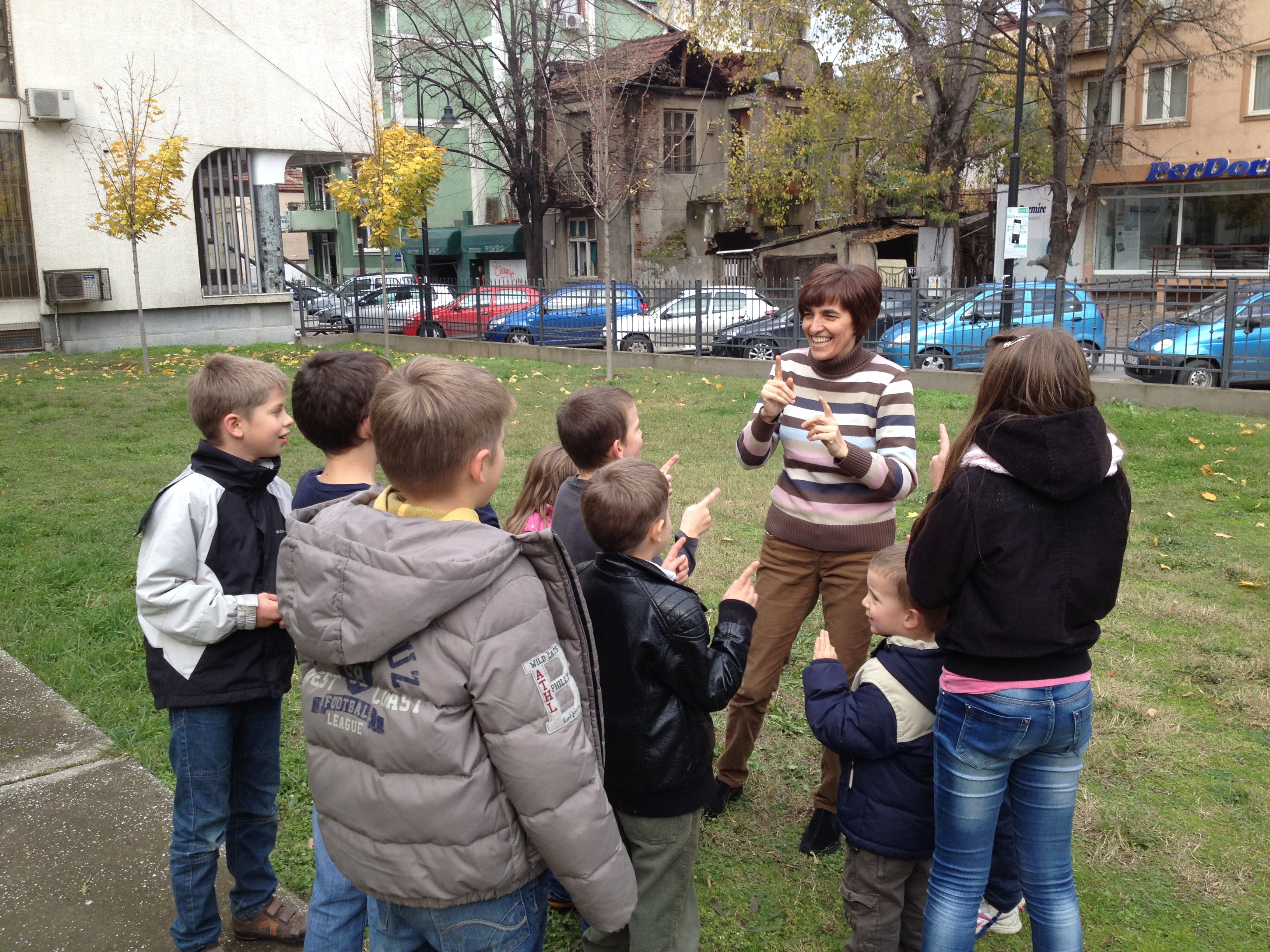
The first contacts with the Focolare Movement in Macedonia go back to 1965, when Antonio Petrili (one of Chiara Lubich’s first followers) came to visit his friend the priest Fr Luka Cirimotić. In 1983, to the joy of the then bishop, Mgr Joakim Herbut, the first meetings were held in Skopje and in Kosovo, and they were the beginning of the first communities. In 1985, by God’s providence, the chance arose for a focolarino family from Zagreb to take up work in Macedonia; they recognised in it God’s plan for their life and answered that call generously. After their move to Skopje contacts of every kind followed: with the neighbours, in the church, at work… and so the life of dialogue went forward. The first communities were formed, made up of young people and adults, families and consecrated members, members of different churches and religions and people of no religious allegiance. Of great importance on this shared journey are the “Mariapolis” gatherings, held regularly in Macedonia since 2000. A “Mariapolis” is a gathering of several days under the auspices of the Focolare Movement, which fosters an original way of living together in love.
The dialogue this Movement fosters rests on a spirituality whose centre is love. Love finds an immediate echo in other religions and cultures too, thanks to the golden rule: “Do to others as you would have others do to you.” It is precisely in the living out of this golden rule that fruitful dialogue comes about.
At the heart of the Focolare Movement are the focolarine and focolarini, who live in small lay communities called focolares. Above all they strive to keep alive the flame of the presence of the risen Christ — from which the whole movement takes its name (fuoco in Italian means hearth, fire). Drawn by God, these men and women consecrate their lives to him. They have left their families and their homeland in order to help bring about Jesus’s prayer, “That they may all be one”. The experience of unity with God is the strength that moves them, in the most varied corners of the world, to build bridges, to kindle a light of hope and love and to overcome violence. They support themselves by their own work and put what they earn in common. This flame reaches married people as well: faithful to their own vocation, yet by their radical choice of the life of the Gospel they are at the same time full members of the focolare. When both spouses share this life, the family — itself a focolare — makes itself available, as its family circumstances allow, to move to another part of the world where its presence can serve unity.
Throughout the world there are 7,160 focolarini of different peoples, races and religions, in 742 focolares in 83 countries.
Perhaps the best description of them is the well-known passage by Chiara Lubich: “Here is the great attraction of our own time: to penetrate to the deepest contemplation and yet to remain with everyone… I would say more: to lose oneself in the crowd in order to shape it with the divine… becoming sharers in God’s plan for humanity, to leave a mark upon the crowd by binding the world together, and at the same time to share with one’s neighbour the insults, the hunger, the blows, the brief joys.”
The women’s focolare in Skopje opened in 2007, and since then it has accompanied the efforts towards a Gospel way of life and the various initiatives of the Movement’s community in Macedonia and in Kosovo, with the constant fatherly support of Bishop Kiro Stojanov.
It all began with Chiara Lubich, the foundress of the Focolare Movement, who defines the focolare as “an image of the Family of Nazareth, of a life shared in the world by virgins and married people who — though in different ways — are given wholly to God”.
Today four focolarine serve in the women’s focolare in Skopje; their work takes the form of teaching small children in a kindergarten, promoting a culture of dialogue and of living together, parish catechesis and other parish activities.